Introduction
Are you wondering for what is an electric cooker? An electric cooker (also known as an electric stove, range, or hob) is a kitchen appliance that uses electricity to heat cookware for cooking and baking. Designed with integrated heating elements—either coils, radiant glass-ceramics, or induction systems—electric cookers have largely replaced wood and coal stoves over the past century. In 2025, they’re celebrated for their energy efficiency, safety, and modern features.
Types of Electric Cookers
1. Coil (Radiant) Electric Cookers
These use exposed metal coils or a hidden radiant heating element beneath a glass-ceramic surface. Simple, reliable, and affordable—but slower to heat and clean compared to newer designs.
2. Ceramic Smooth-Top Cookers
Featuring a sleek, glass-ceramic surface, these cookers offer easy cleaning, even heat distribution, and a modern look.
3. Induction Electric Cookers
Using electromagnetic induction, these cookers heat the cookware directly, making them extremely energy-efficient, fast, and safe—plus they don’t heat the cooktop much, so cleanup is easier.
4. Multicookers (All-in-One Electric Cookers)
These standalone appliances can steam, roast, slow cook, bake, and sometimes even air-fry. Perfect for small kitchens or one-pot cooking enthusiasts.

Specialized Electric Cooking Appliances
Alongside standard electric ranges, there are specialized electric cookers designed for specific cooking tasks:
1: Rice Cookers
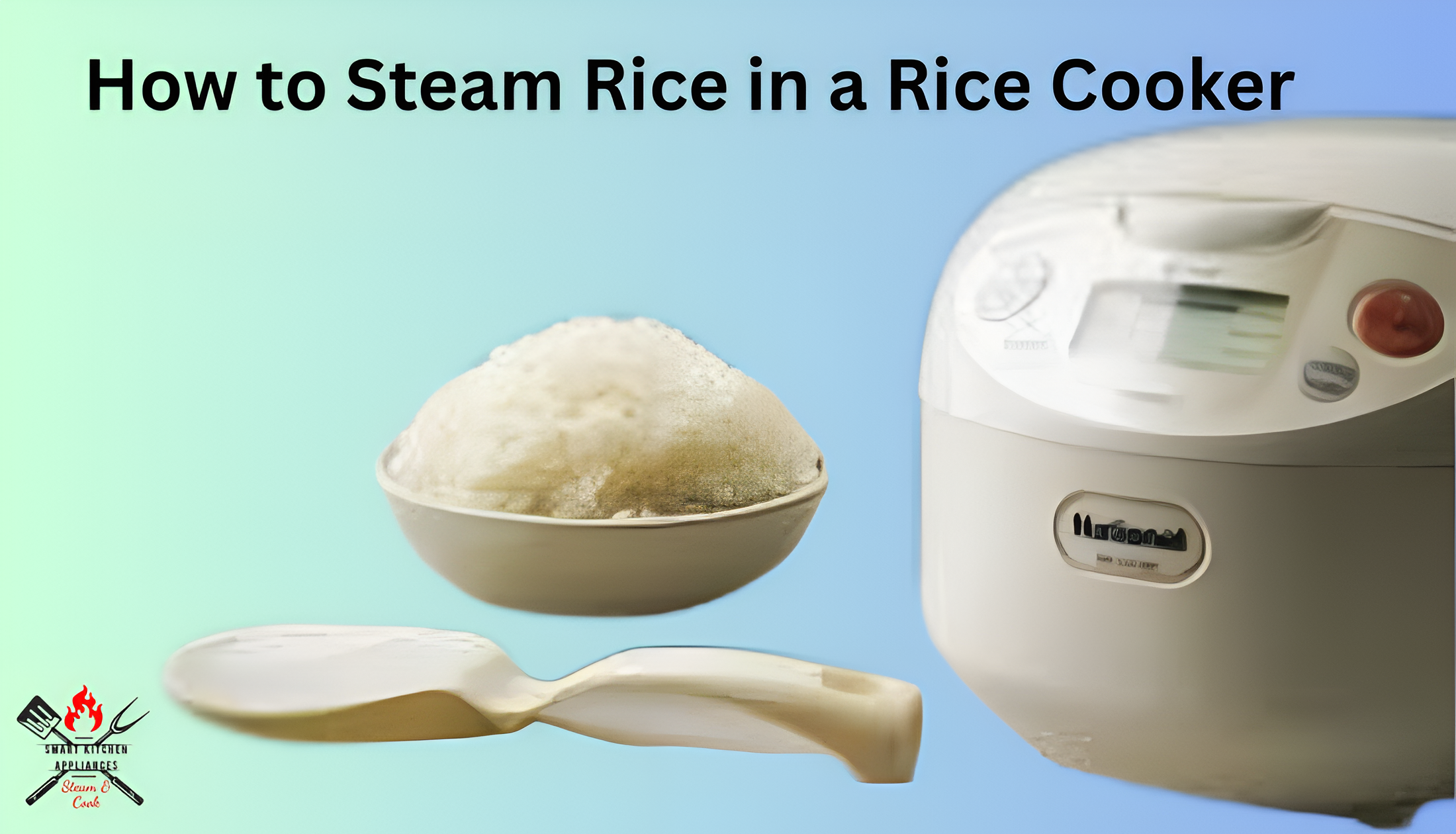
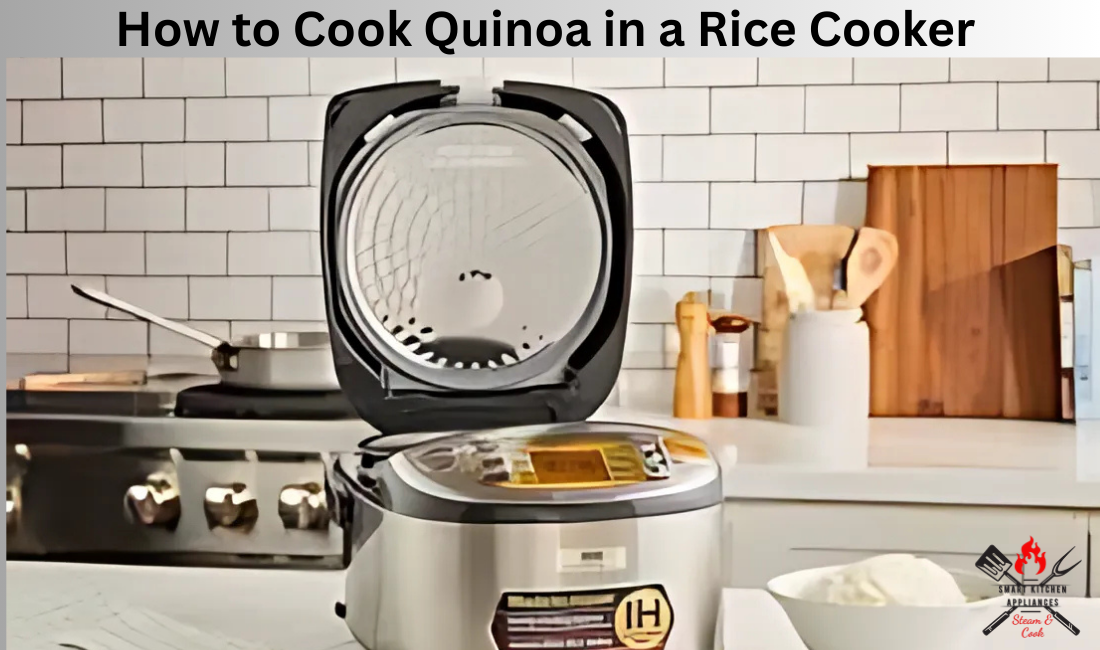
Designed to make perfect rice in rice cooker every time. Many models also cook quinoa, porridge, and steamed vegetables.
2: Stock Pots (Electric)
Large-capacity pots for simmering soups, stews, and broths over an electric base. Ideal for big families or batch cooking.
3: Pressure Cookers (Electric)
Use steam pressure to cook food quickly while retaining nutrients — popular in busy households.
4: Whole Grain Cookers
Specialized cookers for grains like brown rice, millet, and barley, with preset programs for different cooking times.
5: Steamers (Electric Food Steamers)
Cook vegetables, dumplings, fish, and more without oil, preserving flavor and nutrients.
6: All-Purpose Pots
Multi-use electric pots that can boil, fry, steam, stew, and sometimes bake in one unit.
7: Slow Cookers (Crock-Pots)
Cook food at a low temperature for several hours, perfect for soups, stews, and tender meats.
Key Benefits of Electric Cookers
1: Energy Efficiency & Cooking Performance
- Induction cookers can reach up to 90% energy efficiency by focusing heat on the pan directly, compared to much lower efficiency in gas models.
- Electric cookers convert nearly all consumed energy into heat, helping lower utility bills and reduce waste, especially when using induction or smooth-top options.
2: Safety & Clean Design
- Without open flames or gas leaks, electric cookers are much safer, especially for families or shared living spaces.
- Smooth surfaces (ceramic or induction) are easier to wipe clean and less likely to trap spilled food.
3: Precision & Control
- Induction cooktops provide almost instant temperature changes, mimicking gas-level responsiveness—but with better efficiency and control.
- Ceramic and coil models generally deliver stable, even heat—especially useful for baking and simmering.
4: Smart Features & Aesthetics
In 2025, many electric ranges include smart capabilities like Wi-Fi control, voice activation, and app-connected recipe integration. Some even offer self-cleaning ovens and dual convection systems for consistent performance.
Key Considerations When Choosing an Electric Cooker
Feature |
Why It Matters |
| Cooktop Type | Choose coil, ceramic, or induction based on your cooking style, speed needs, and cleaning preferences. |
| Energy Efficiency | Induction tops save energy and time—look for Energy Star–certified models if possible. |
| Cookware Compatibility | Induction requires magnetic cookware (cast iron or special stainless steel). Otherwise, choose any flat-bottomed pots. |
| Safety Features | Look for auto shut-off, control locks, residual heat indicators—especially important if you have children. |
| Smart & Cooking Modes | Extra presets (air-fry, convection, steam) and wireless controls can simplify cooking tasks. |
| Installation | Induction or large ranges may need 240V wiring; plug-in electric models (like the Copper induction stovetop) work on standard outlets. |
Electric vs Gas: Which One Should You Choose?
- Energy Efficiency: While traditional electric resistance models lose heat to the air, induction models are the most efficient. Gas stoves are efficient for direct heat but waste up to half the heat into the kitchen environment FOTILE.
- Safety: Electric eliminates open flame and gas leaks. But proper installation and cautious use remain important for both.
- Cooking Quality: Gas still leads for rapid heat changes and high-heat techniques; induction rivals it in responsiveness while offering cleaner surfaces and more precision.
- Running Cost: Gas may cost less depending on local fuel prices, but advanced electric ranges (especially induction) can offset this with better heat efficiency over time.
Setting Up and Maintaining Your Electric Cooker:
- Setup: Install your electric cooker by a qualified electrician for safety and performance.
- Upkeep: Clean the cooking surface with a soft, damp cloth routinely, and avoid the use of strong, abrasive cleaners.
Basic Safety Precautions for Electric Cooker Users
Ensure Good Ventilation: Keep the kitchen adequately ventilated to minimize heat and moisture generation during cooking.
Avoid Contact with Water: Never use water to clean the appliance when it is plugged in or in operation.
Power Off Before Cleaning: Always turn off and unplug your electric cooker before maintenance or cleaning activities.
Top Reasons to opt for an Electric Cooker in 2025
after knowing about what is an electric juicer? now you must know the reasons to opt the electric cooker? Accuracy in Cooking: Refinement in temperature control for consistent, delicious results every time.
- Eco-Friendly Efficiency: Cut energy expenses while reducing your environmental footprint.
- Built-In Safety & Convenience: No danger of gas leaks and easy-to-use for everyday life.
- Modern Look: Sleek, up-to-date designs to make any kitchen area look great.
FAQs: What Is an Electric Cooker?
1. How does an electric cooker work?
An electric cooker uses electricity to heat either metal coils, a ceramic surface, or induction elements. In coil and ceramic cookers, the heating element transfers heat to the pot or pan. In induction cookers, electromagnetic energy directly heats the cookware, making it faster and more efficient.
2. Which is better: electric cooker or gas cooker?
Electric cookers, especially induction cooktops, are more energy-efficient, safer, and easier to clean. Gas cookers offer faster heat control and may be preferred for certain cooking styles like stir-frying.
3. Are electric cookers energy-efficient?
Yes. Induction electric cookers can reach up to 90% efficiency because they heat the cookware directly, wasting less energy. Standard ceramic or coil cookers are less efficient but still often outperform gas in energy conversion.
4. What types of electric cookers are available in 2025?
The main types are:
- Coil (Radiant) Cookers – Affordable and simple.
- Ceramic Smooth-Top Cookers – Sleek and easy to clean.
- Induction Cookers – Fastest and most energy-efficient.
- Multicookers – All-in-one appliances for slow cooking, steaming, and pressure cooking.
5. Can you use any cookware on an electric cooker?
Ceramic and coil electric cookers can use almost any flat-bottomed cookware. Induction cookers require magnetic cookware (like cast iron or certain stainless steel) to work.
6. Do electric cookers take longer to heat up?
Ceramic and coil cookers generally take longer than gas, but induction cookers heat up as fast—or faster—than gas stoves, while maintaining better heat control.
7. How long do electric cookers last?
With proper care, most electric cookers last 10–15 years. Induction cooktops can last even longer due to fewer moving parts. Always follow cleaning and maintenance guidelines from the manufacturer.
8. Are electric cookers safe for families?
Yes. They have no open flame, many feature child safety locks, and induction cooktops only heat the cookware, keeping the surface cool.
Final Thoughts: What Is an Electric Cooker?
By 2025, the electric cooker has come a long way—simple coil types to technology-driven induction ranges with precision, safety, and fashion. In selecting your ideal electric cooker, pair the type with your cooking style and budget:
- For efficiency and speedy heat: induction is the way to go.
- For affordability and ease: ceramic or coil types are good.
- For versatile cooking: look at intelligent electric ranges or multicookers in one.
Now you can easily know about what is an Electric cooker? Electric cookers provide consistent, controlled cooking with less health hazard and cleaner kitchen countertops. If you’re replacing your cooking, remodeling your kitchen, or moving toward smarter kitchen appliances, new electric cookers are a smart option for dependable, high-quality cooking.
Feel free to let me know if you’d like assistance with a regional search analysis or a step-by-step purchasing checklist customized to your readers!
References: