9 Surprising Benefits of Induction Stove Cooking You Need to Know
When considering the replacement of obsolete cooktop models, induction stoves (also known as induction cooktops, induction hobs, or induction ranges) are ideal candidates as they are currently becoming a popular choice in modern kitchens. Induction stoves feature a combination of speed, safety, and energy-efficient cooking that sets them apart from gas and traditional electric stoves.
The following is a detailed and searchable breakdown of Benefits of Induction Stove Cooking , the way the induction cooktop functions, and how it might be the most intelligent cooking appliance investment you can make.
What is an Induction Burner?
An induction burner is a cooking zone on an induction cooktop that uses electromagnetic energy instead of visible flames or glowing electric coils.
Under a smooth, glass-ceramic surface, there is a copper coil which, when the burner is energized, forms a closed magnetic field:
It only works with induction-compatible cookware (magnetic stainless steel, cast iron, and some carbon steel). The burner itself does not get hot like a gas burner or electric coil would.
Induction stoves are often marketed under names including induction cooktops, induction ranges, and portable induction burners.
The following is a list of other, less commonly used, names or terms that one might use when looking to purchase an induction cooktop: induction stove top, magnetic induction burner, high efficiency induction hob, modern induction range, portable induction cooktop.
Related Article: What are the Common Problems with Electric Stoves?
All About Induction Cooking
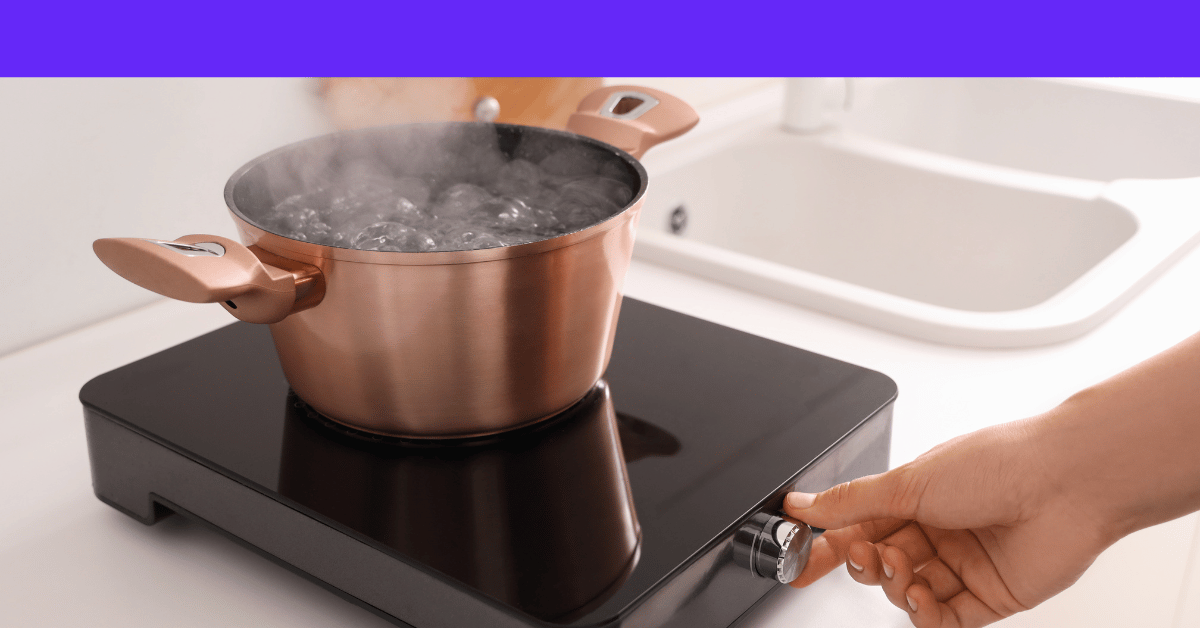
Induction cooking generates heat through the pot itself as opposed to making the surface of the cooktop hot.
Here’s a simple explanation as to how that works:
As electricity moves through a copper wire that is tightly wound, a glass surface starts to glow.
At that cooking zone, a fast-changing magnetic field is created.
When you place ferrous cookware (e.g., magnetic stainless steel or cast iron) on the cooking zone, the field causes eddy currents to be created inside the cookware.
Those currents create resistance, which generates heat in the cookware.
Therefore, the cookware is a heating element.
With induction cooking, the glass surface stays much cooler than with traditional electric or gas burners.
With induction cooking, heat transfer is fast and extremely efficient.
This is why rapid boiling, precise temperature control, and even increased safety in the kitchen are why induction cooking is the best.
Related Article: What are the Common Problems with Electric Stoves?
Benefits of Induction Stove Cooking
More modern forms of cooking are induction cooktops, which are used in homes everywhere. Induction cooktops use electromagnetic energy to directly heat a pot or pan, rather than just heating the stovetop. This heat technology provides more precise, faster, and more energy-efficient cooking than gas or electric cooktops.
1. Energy Efficiency
One of the biggest advantages of induction cooktops is their energy efficiency. Unlike electric or gas cooktops, where you first heat the cooking surface, then transfer the heat to the pot or pan, induction cooking creates heat directly in the cooking vessel itself. This quickens cook times and, because of less heat loss, makes induction cooktops more energy efficient.
In fact, according to the Frigidaire website, induction cooktops are about 70-80% more energy efficient than gas burners and about 50% more energy efficient than electric cooktops.
In induction cooking, energy is not wasted heating the air around the pan because only the cooking vessel’s surface is heated. Induction cooktops use less energy because cooking times are shorter, so you will save money on your energy bills. Induction cooktops do not consume energy once you stop cooking because the surfaces cool quickly and there is no lingering heat.
2.Faster Cooking Times
Cooking with induction is far superior to most other styles in terms of overall time efficiency. Induction cooktops use a magnetic field to directly heat the induction-compatible pot or pan. Traditional cooktops use a burner to indirectly heat the pot, which takes longer to boil and reach a desired temperature. Because of these advantages, boiling water and other foods with high moisture content is drastically quicker. Induction cooktops can boil water about half as fast as gas and electric stoves. Cooking delicate foods, spices, or sauces also benefits since heat is consistently and swiftly introduced at an optimal level.
3.Precise Temperature Control
When it comes to temperature control, induction cooktops also take the win. Most traditional cooktops do not provide the user with ways to control and maintain consistent heating. This can result in burnt foods or a dish taking longer to cook than it should. Induction cooktops can adjust heating to much more precise levels than most burners.
A user can choose to keep a mixture at a constant low temperature or increase the temperature to boil. This level of control is perfect for tempering chocolate or cooking other delicate foods that require precise temperatures.
4. More Safe
Induction cookers are safer. None of the cooktops gets hot; only the pot gets hot. This is great not only for accidents and fires, but also for homes with kids and animals. If something spills as something is being cooked, the cooktop stays cool, so it isn’t an issue. Induction cooktops also have more safety features that automatically cut power if the pot is burnt or removed to prevent messes.
You also don’t have to worry about leaks or gas fires, which makes it even safer. The cooktop is super easy to clean. If food or liquids overflow, they are generally cool to the cooktop, so it is super easy to clean.
You don’t have to worry about the mess burning in there, and you don’t have to worry about being forced to clean it. You can easily wipe away any spills or crumbs. Simply use a damp cloth to quickly clean everything up, giving you more time and energy to do other things. This ease of cleaning feature offers a significant advantage for using induction cooktops in busy kitchens.
Related Article: What Size Breaker for An Electric Stove?
6. Environmentally Friendly
Cooking food with induction stoves is fast, meaning it saves time and energy, and has a positive impact on the environment. Induction cooktops help reduce your overall carbon footprint, since they use less energy than other stoves.
Also, induction cooktops do not release as much heat as stoves do, meaning they require less ventilation, which reduces the load on your A/C and lowers overall energy use in your home.
Lower energy use means a lower impact on our environment, so induction cooking is a great choice for people who are conscious of their energy use.
7. Versatility in Cookware
Induction cooking is versatile in that it can accommodate the majority of cookware, as long as it is compatible and magnetic. This means assets like cast iron, stainless steel, and some enamel-coated cookware. This is a big advantage, as gas stoves can accommodate only a limited range of pots and pans, whereas induction cooktops offer greater flexibility in the cookware you can use.
Pots and pans made of aluminum, copper, or glass will not work with induction. Cast iron and stainless steel will work. This means you don’t need to replace all your cookware when switching to induction.
8. Stylish and Contemporary Design
Induction cooktops feature a stylish and contemporary design that seamlessly integrates into most modern kitchens. They feature a smooth, flat, sleek work surface with a minimalist look, making them easy to clean and very appealing to the eye. Some induction stoves go even further, letting you choose custom settings such as which features are displayed and which cooking zones are active, giving you personalized control.
Their simple appearance matches many kitchen styles and makes it easy to fit them into different designs.
9. No Need for Exhaust or Ventilation
Since induction cooktops don’t use an open flame or hot coils, they don’t make the kitchen as hot. This means you don’t need as much ventilation. There is also less smoke and grease buildup, which is helpful in small kitchens or apartments without good vents.
This feature lets you maintain a comfortable kitchen setting without resorting to powerful range hoods or excessive ventilation.
Induction cooktops are perfectly suited for smaller kitchens or spaces with limited countertop space.
Many models are designed to be compact and portable, making them easy to store or use in dorms, RVs, or small apartments. Its efficient, quick heating makes it a perfect option for cooking in small places.
Related Article: What is Electric Range Amperage ?
How to Keep Your Cooktop Clean
While it is always recommended that you clean your induction cooktop after every use, thorough cleaning is recommended weekly.
Spills, especially those that contain sugar, should always be wiped up immediately so that damage to the cooktop glass is minimized.
Scholars recommend that cookware with smooth, flat bottoms be used to mitigate the possibility of scratches on the cooktop surface.
A few other things to be mindful of are to avoid dragging pans across the cooktop surface and making spills a habit.
1-Induction Cooktop Precision
Induction stoves can regulate temperature incredibly well, and the heat is consistent throughout the warming process, making it easy to cook with.
On induction cooktops, power levels can be adjusted very narrowly, even up to single-degree calibrations.
Heat is evenly distributed across the surface of the induction cooktop and is able to avoid those annoying hot spots that too many cooktops tend to have.
In seconds, you can boil a rolling pot of water, and then reduce the heat so that it simmers, and you can even do this when cooking a delicate sauce that is easy to burn.
In comparison to other traditional stoves, induction stoves have much better response times. Electric radiant stoves are known to be pretty slow when it comes to making adjustments, even though they hold heat well. Gas stoves are very responsive, but can be inefficient when it comes to heat distribution.
2-Environmentally Friendly
Every appliance in your kitchen should support your sustainable lifestyle, including induction cooktops. Induction cooktops are:
More efficient, meaning less energy is used while cooking.
More energy efficient, meaning less energy is used while cooking.
Does not burn fossil fuels, making it an eco-friendly cooking appliance.
Does not add heat to the kitchen, making it more efficient.
Less sustainable than induction, gas stoves add to the impact of climate change, as they add greenhouse gases (methane and nitrogen dioxide) to the atmosphere and contribute to poor indoor air quality. Cooking with induction, especially if the cooking is done with renewable energy, is a huge step toward a climate-friendly all-electric kitchen.
3-Smart Kitchen Integration
Integration with smart kitchens is becoming more common with new induction ranges. Many new induction ranges come with:
Wi-Fi or Bluetooth smart control
Integration with smart homes or voice assistants
Timers, custom cooking, and guided cooking for hands-free recipes
Energy power management
Even other models of induction cooktops have advanced safety features for families.
Induction and Other Cooking Methods
Induction vs Electric Stove
| Feature / Factor | Induction Stove / Cooktop | Electric Stove (Radiant Glass-Top / Coil) | Practical Takeaway |
|---|---|---|---|
| Heat Generation | Uses electromagnetic fields to heat the pan directly (cookware becomes the heater). | Heats a metal coil or radiant element, which heats the glass, then the pan. | Induction is more direct and efficient; electric has extra heat-transfer steps. |
| Speed (Boiling / Preheat) | Very fast – water boils quicker, instant response when you change settings. | Slower – elements and glass must heat up and cool down, so response lags. | For fast everyday cooking, induction clearly wins. |
| Energy Efficiency | Around 85–90% of energy goes into the cookware; less waste heat in the kitchen. | About 70–75% efficient; more energy lost to the air and glass surface. | Induction is more energy-efficient and keeps the kitchen cooler. |
| Temperature Control | Precise, fine steps; near-instant adjustments from high heat to low simmer. | Stable once hot, but slow to adjust; can overshoot or undershoot settings. | Induction feels like “gas-level” control in an electric kitchen. |
| Low-Heat Performance | Excellent gentle simmer, melting chocolate, delicate sauces without scorching. | Harder to hold very low heat without cycling and temperature swings. | Induction is better for precise, delicate cooking. |
| Cookware Compatibility | Needs magnetic cookware (cast iron, many stainless steels, induction-ready pans). | Works with almost any flat-bottom pan (aluminum, copper, glass, steel, etc.). | Electric wins for “use anything”; induction may require some new pans. |
| Surface Temperature | Glass stays much cooler, only heated by contact with the hot pan. | Glass or coil area becomes very hot and stays hot for a long time. | Induction reduces burn risk and accidental contact injuries. |
| Safety Features | Pan detection, auto shut-off, child lock, residual heat indicators; no glowing coil. | Mainly hot-surface indicator lights; relies more on user caution. | Induction is generally safer and more advanced for families. |
| Cleaning & Maintenance | Smooth, cooler glass – spills rarely bake on; easy wipe-clean surface. | Spills bake onto hot glass or coils, especially sugar/starch; harder to scrub. | Induction is the easiest to keep spotless. |
| Noise Level | Can produce a soft hum or fan noise at high power; normal for the tech. | Almost silent, aside from occasional relay clicks. | Electric is quieter; induction noise is usually mild. |
| Installation | Requires 240V circuit; similar wiring to an electric range (check amperage rating). | Also uses 240V circuit; often plug-in compatible with existing electric setup. | Swapping electric → induction is usually straightforward if circuit is correct. |
| Indoor Air Quality | All-electric: no combustion, no NO₂ or CO from cooking. | Same: all-electric, no combustion byproducts. | Both beat gas for indoor air quality. |
| Upfront Cost | Typically more expensive (premium / mid–high range products). | Generally cheaper upfront, common in budget and builder-grade kitchens. | Electric is budget-friendly; induction is a performance upgrade. |
| Look & Design | Sleek, modern flat glass induction hob with digital touch controls. | Glass-top or coil; glass models look modern, coils more basic/traditional. | Induction fits high-end, minimalist kitchen designs. |
| Best For | Cooks who want speed, precision, safety, and efficiency in a modern kitchen. | Users who want a simple, affordable electric stove that works with any pans. | Induction for performance; electric radiant for budget and compatibility. |
Induction vs Gas Stove
| Feature / Factor | Induction Stove / Cooktop | Gas Stove / Gas Cooktop | Practical Takeaway |
|---|---|---|---|
| Heat Generation | Uses electromagnetic fields to heat the pan directly (cookware becomes the heater). | Burns natural gas or LPG to create an open flame that heats the pan from below. | Induction is clean and direct; gas relies on combustion and open flame. |
| Heat Control | Very precise and responsive; fine power levels, great low-heat simmer and high-heat sear. | Flame is highly responsive and easy to “see,” but fine low-heat control can be tricky. | Both are responsive; induction is more precise, gas feels more visual and manual. |
| Speed (Boiling / Preheat) | Extremely fast to boil water and preheat pans because energy goes straight into cookware. | Also fast, but more heat escapes around the pan, so it’s usually a bit slower overall. | Induction typically wins for speed and consistency. |
| Energy Efficiency at Cooktop | About 85–90% of energy goes into the pan; minimal waste heat into the room. | Only around 30–40% of the flame’s energy reaches the pan; the rest is lost as hot air. | Induction is much more energy-efficient at the burner level. |
| Operating Cost | Uses electricity; cost depends on local kWh price but efficiency helps reduce total use. | Uses gas (natural or LPG); fuel can be cheaper per unit but wastes more energy. | Gas may be cheaper in some areas; induction saves energy but depends on electricity rates. |
| Indoor Air Quality | No combustion, so no NO₂, CO or methane from the cooktop itself. | Produces NO₂, CO, methane and particulates that can affect indoor air quality. | Induction is clearly better for air quality and respiratory health. |
| Kitchen Temperature | Direct heating to the pan keeps the kitchen cooler; less stray heat. | Flame throws a lot of heat into the air, making the kitchen hotter, especially in summer. | Induction is more comfortable in small or warm kitchens. |
| Safety | No open flame; cooler glass surface; pan detection, auto shut-off, child lock on most models. | Open flame, hot grates, risk of gas leaks, flare-ups, and accidentally left-on burners. | Induction is safer overall, especially for kids, pets, and older adults. |
| Cookware Compatibility | Needs magnetic cookware (cast iron, many stainless steels, induction-ready pans). | Works with almost any cookware that can safely sit over a flame. | Gas wins on “use any pan”; induction may require new pots and pans. |
| Cleaning & Maintenance | Flat glass surface wipes clean; spills don’t burn on as aggressively. No grates. | Multiple parts (burner heads, caps, grates); spills and grease can bake onto components. | Induction is much easier and quicker to clean. |
| Power / Fuel Dependence | Fully dependent on electricity; no cooking during outages without backup power. | Dependent on gas supply; many models can be lit manually during power cuts. | Gas has an advantage in frequent power-outage areas; induction pairs well with batteries/solar. |
| Installation | Requires a correctly sized 240V electrical circuit; may need electrical upgrades when switching from gas. | Needs a gas line and appropriate ventilation; often already present in older homes. | Switching gas → induction can require electrical work; staying on gas uses existing gas infrastructure. |
| Noise Level | Generally quiet, but can have a soft hum or fan noise at high power. | Mostly quiet; you hear the flame and gas flow, but no fans in most models. | Both are quiet; induction has low electronic hum, gas has flame noise. |
| Environmental Impact | Can be powered by renewable electricity; no on-site fossil fuel burning. | Burns fossil gas and releases greenhouse gases and indoor pollutants. | Induction fits better into low-carbon, all-electric home plans. |
| User Experience | Sleek, modern glass induction hob with touch controls, timers, and often smart features. | Classic knobs and visible flame; familiar feel for many home cooks and chefs. | Induction feels high-tech; gas feels traditional and tactile. |
| Upfront vs Long-Term Cost | Higher upfront appliance cost, but potential savings in energy use and health/ventilation. | Often cheaper to buy; long-term costs include fuel use, extra cooling, and ventilation needs. | Induction is an investment; gas is cheaper at the start but less future-proof. |
| Best For | People who want safer, cleaner, energy-efficient, and modern cooking in an all-electric or smart kitchen. | People who want traditional flame cooking, full cookware flexibility, and better outage resilience. | For future-proof, health-focused kitchens, induction usually wins; gas still suits those who prioritize flame cooking and backup use. |
Why Is Induction Stove Cooking Worth the Switch?
When everything is considered, induction stove cooking offers an unmatched mix of convenience, efficiency, speed, and safety, all packed in a single attractive unit. Unlike gas or traditional electric stoves, which are inefficient and vent heat into the air, an induction cooktop transfers energy directly into the bottom of the cookware. This results in mal, boiling, simmering, and a cooler, comfortable cooking environment.
For home cooks, fast-paced families, and anyone organizing a smart home kitchen, an induction range or hob is no longer a simple, trendy upgrade. It’s an investment in safer cooking, reduced energy consumption, improved indoor air quality, and precise control of cooking temperatures. Paired with the right induction-ready cookware, an induction stove can alter how fast and with how much confidence you cook on a daily basis.
When debating between gas, electric, and induction, all of these features need to be considered for overall cooking control, cleanliness, safety, and efficiency. Induction stove cooking is an upgrade that is hard to improve in all four of these features.
FAQS- Benefits of Induction Stove Cooking
1 – Is an induction stove better than a gas stove?
In most homes, yes. Some advantages induction stoves offer as compared to gas stoves include:
– Faster boiling and energy-efficient cooking
– No open flame, which translates to a safer and cooler kitchen
– Enhanced indoor air quality as there’s no gas combustion
– Effortless cleaning due to a flat surface cooktop
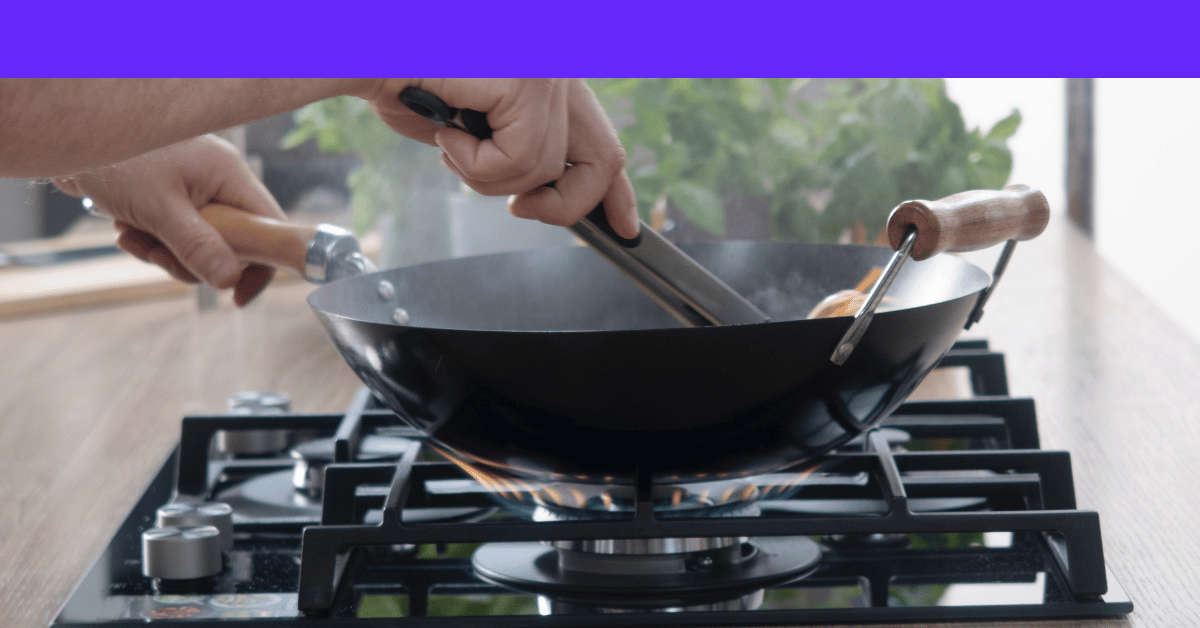
For wok cooking on gas stoves, there are still high-heat fans and visual flame control, but for regular at-home cooking, induction most often wins on safety, comfort, and efficiency.
2 – Do induction stoves use more electricity than regular electric stoves?
Induction stoves generally utilize electricity more efficiently than coil or radiant electric cooktops. Their induction stoves may pull similar peak wattage, but they:
– Use direct heating on the cooking surface, wasting less energy
– Faster cooking of the food
– Release less heat into the surrounding room. This reduces the strain on the room’s cooling.
Because of this, in most cases, induction cooktops or ranges use less overall energy than traditional electric stoves.
3. What kind of cookware do I need for an induction cooktop?
To cook using the induction heating technique, it is required to have magnetic cookware. You can do a quick test by using a magnet on the base of the cookware:
– If the magnet sticks firmly to the base of the cookware, it is good for induction.
– If the magnet does not stick at all, it is not compatible.
Some of the best cookware to use for induction stoves would be:
– Cast iron and enameled cast iron
– Many stainless steel pots and pans that come with magnetic bases
– Some carbon steel, including induction-ready nonstick pans
– Aluminum and copper can also work if they have a built-in magnetic base for induction.
– Many stainless steel pots and pans that come with magnetic bases
– Some carbon steel, including induction-ready nonstick pans
– Aluminum and copper can also work if they have a built-in magnetic base for induction.
4. Are induction cooktops safe for children and pets?
In general, induction cooktops are very safe, especially for children and pets, assuming that they\/ are used properly:
– The surface does not get as hot as a gas flame or red-hot electric coil.
– Built-in safety features, including no open flame, greatly reduce the risk of burns and fire.
– Features like pan detection, auto shut off, and lock functions are great for accident prevention.
Teaching children basic safety procedures in a kitchen is a must. However, induction is the best stove option for safety when it comes to families.
5. Is It More Expensive To Install An Induction Stove?
Yes, purchasing an induction stove will usually be more expensive than an electric or gas stove. Because of this, there are more costs when purchasing induction stove top installations. It does depend, however, on how your kitchen is already set up.
If you are upgrading an electric stove, you should be all set and good to go if the circuit to my new induction stove is plugged in to the correct amps. If you’re switching from gas, you may need to install a new 240-volt outlet and proper circuit. Then you’ll need to stop or remove the gas line. It is worth the upfront costs, though! If you look at the savings you will get over time, these will make up for the costs. You will save on energy and have a more comfortable kitchen experience since the stove will be cooler to the touch.
6. Does Induction Cooking Change The Taste of the Food?
No! Induction stove top cooking does not change the taste of your food at all! It is the new heat control in induction-compatible cooking appliances that changes things. The new upper control of heat allows the chef to:
Burn, boil faster, and easily
Burn, boil faster, and easily
Change cooking temp at will
Uniform temp for all food cooking
Uniform temp for all food cooking
Burn cooks food more evenly
To allow chefs to cook more consistently and with more precision, these stoves allow for more cooking skills to be used to create crafted food in all cooking methods!
7. Are induction cooktops noisy?
Induction cooktops may emit sounds such as:
-A quiet buzz when set at high power.
-A click sound when electronics are switching.
-A fan sounds when the system needs to cool down the internal parts.
-A click sound when electronics are switching.
-A fan sounds when the system needs to cool down the internal parts.
These sounds are quite common and are not loud. Thinner and lightweight pans may make these sounds more often; therefore, it’s best to use heavier, flat-bottom pans to reduce buzzing.
8. Can I scratch or damage the glass surface of an induction stove?
Induction stoves do have a glass-ceramic cooktop surface, and these cooktops may scratch or scuff, but they are very durable when used correctly. To make sure nothing happens to the cooktop surfaces, avoid:
-Sliding rough or heavy pans across the stove.
-Not cleaning very sugary spills and then burning them onto the glass, as these will damage the glass.
-Using pans that are induction-compatible but have rough, un-smooth flat bases.
-Not cleaning very sugary spills and then burning them onto the glass, as these will damage the glass.
-Using pans that are induction-compatible but have rough, un-smooth flat bases.
Per the description given of the care and the correct pans used, the induction stove top will remain in pristine condition for many years.
9. Do induction stoves work in a power outage?
No, unfortunately, it won’t be possible to use induction stoves, as they are 100% electric and require power to operate. If you think you might need a backup in case of a power outage, you might:
Keep a portable gas burner or camping stove to use in emergencies (just be sure to use it in a well-ventilated area)
Think of a home battery or generator to have a backup for electric cooking.
However, for everyday use, many people prefer the efficiency and safety of induction over gas.
10. Is it worth switching my gas stove for an induction stove?
For many homeowners, the answer tends to be yes—especially if you appreciate:
Air quality without combustion fumes
Efficient use of energy and time while cooking
No more overheating and a cleaner space
A modern and smart kitchen that syncs with other devices
If you are in the process of renovation or building a new kitchen, replacing the gas stove with an induction stove or an induction range is one of the greatest improvements you can incorporate for an increase in comfort, safety, and long-term efficiency.