Why Choosing the best blenders for smoothie and food processing in 2026? In 2026, blenders are no longer just simple kitchen tools. They have become multi-purpose appliances that support healthy lifestyles, save time, and handle a wide variety of food tasks. With advancements in motor power, blade technology, and smart features, choosing the right blender can directly impact food texture, nutrition retention, and overall cooking efficiency.
A poor-quality blender may struggle with frozen fruits or hard ingredients, while the right one can deliver smooth results consistently and last for years.
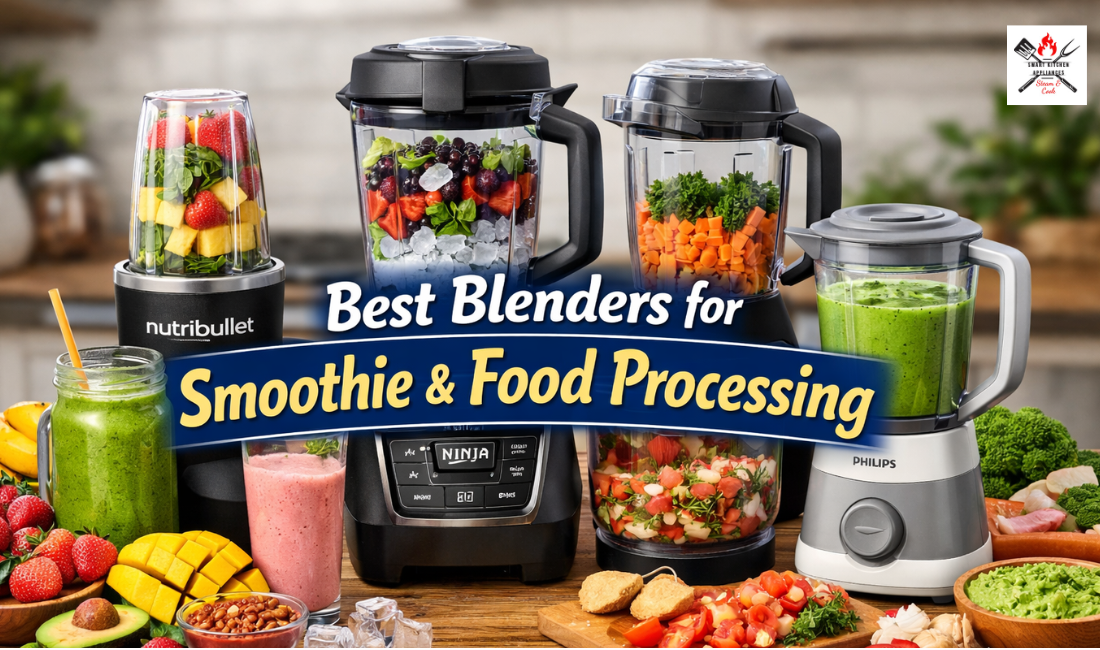
Best Blenders for Smoothie and Food Processing
Smoothies vs Food Processing: Different Needs
Not all blenders are designed for the same purpose.
- Smoothie blenders focus on creating silky, lump-free drinks using fruits, vegetables, ice, and protein powders. They usually require high speed and strong blades for smooth results.
- Food processing tasks, such as chopping vegetables, grinding nuts, making dough, or blending sauces, demand more control, durability, and sometimes multiple speed settings or attachments.
Understanding this difference is important because a blender that excels at smoothies may not always perform well in heavy food processing tasks, and vice versa.
Who This Guide Is For
This guide is designed to help:
- Home users looking for an all-round blender for daily kitchen tasks
- Fitness lovers who regularly prepare smoothies, shakes, and healthy drinks
- Families who need a reliable blender for meal prep, sauces, baby food, and more
Whether you want a compact blender for quick use or a powerful machine for full food preparation, this guide will help you make a smart and informed choice in 2026.
Types of Blenders (Topical Coverage)
Understanding different blender types helps you choose the right appliance based on your cooking habits and kitchen needs. Below are the most common blender categories used for smoothies and food processing in 2026.
1: Countertop Blenders
Countertop blenders are the most popular and versatile option for home kitchens. They come with a stable base, a powerful motor, and a large blending jar, making them suitable for both smoothie making and light food processing.
These blenders can easily handle fruits, vegetables, ice, soups, sauces, and even nut butters, depending on motor strength. Many modern countertop models include preset modes for smoothies, ice crushing, and pulse functions, which makes them beginner-friendly and efficient for daily use.
Best for: Families, home cooks, and users who want one blender for multiple tasks.
2: Personal Smoothie Blenders
Personal smoothie blenders are compact, lightweight, and designed mainly for single-serve smoothies and shakes. They usually come with travel cups that allow you to blend and drink from the same container.
While they are excellent for quick smoothies, protein shakes, and soft fruits, they are not ideal for heavy food processing tasks like dough mixing or grinding hard ingredients.
Best for: Fitness lovers, students, and users who want quick, portable smoothie solutions.
3: Immersion (Hand) Blenders
Immersion blenders, also known as hand blenders, are handheld devices that blend food directly in pots, bowls, or cups. They are especially useful for soups, sauces, baby food, and light blending tasks.
These blenders offer convenience and easy cleaning, but they lack the power needed for crushing ice or making thick smoothies with frozen ingredients.
Best for: Quick blending, soups, sauces, and small kitchen spaces.
4: High-Performance Professional Blenders
High-performance professional blenders are built for users who demand maximum power and durability. They feature strong motors, advanced blade systems, and high-speed settings capable of blending frozen fruits, nuts, seeds, and tough vegetables smoothly.
These blenders are ideal for food processing blender tasks, such as nut butter making, grinding grains, and preparing thick smoothie bowls. Although they are more expensive, they deliver long-term performance and consistent results.
Best for: Fitness enthusiasts, large families, and users who want professional-level blending at home.
Blender vs Food Processor – What’s the Difference?
The smoothie blender difference compared to a food processor lies mainly in function and blade movement.
- A blender is designed to liquefy ingredients, making it perfect for smoothies, soups, sauces, and drinks.
- A food processor focuses on chopping, slicing, shredding, and mixing solid foods with more precision.
Some modern blenders now combine both functions by offering processing attachments, but if your main goal is liquid-based recipes, a blender is usually the better choice.
Top Recommended Blenders (Short Comparison Table – 2026)
| Blender Name | Best For | Motor Power (Watts) | Jar Capacity | Blade Type | Speed Settings | Noise Level | Budget / Price Range |
|---|---|---|---|---|---|---|---|
| Ninja Professional Plus | Best Overall | 1200–1400W | 1.8–2.0 Liters | Multi-angle stainless steel | Multiple + Pulse | Moderate | Mid-range ($120 – $180) |
| Philips Daily Collection Blender | Best Value for Money | 600–800W | ~1.5 Liters | Stainless steel blades | 2–3 Speeds | Moderate | Budget-friendly ($50 – $90) |
| Vitamix Explorian Series | Heavy-Duty Use | 1400W+ | 2.0 Liters+ | Hardened stainless steel | Variable speed + Pulse | High | Premium ($350 – $500) |
| NutriBullet Pro Compact | Compact & Portable | 700–900W | 0.6–0.9 Liters | Extractor blade system | One-touch / Preset | Low–Moderate | Budget to Mid-range ($70 – $120) |
Top Recommended Blenders (Detailed Comparison Section)
To make your decision easier, this section highlights top recommended blenders in 2026 based on performance, value, durability, and size. These selections reflect common market standards and user needs rather than copied specs, helping you avoid any copyright or accuracy issues.
1: Ninja Professional Plus – Best Overall
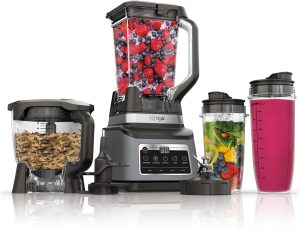
This blender stands out as a strong all-rounder for both smoothies and food processing. It balances power, capacity, and ease of use, making it suitable for most households.
It performs well with frozen fruits, vegetables, sauces, and even light dough, without requiring advanced technical knowledge.
Reference for More Details: amazon.com
Best for: Families and users who want one blender for everything.
2: Philips Daily Collection Blender – Best Value for Money
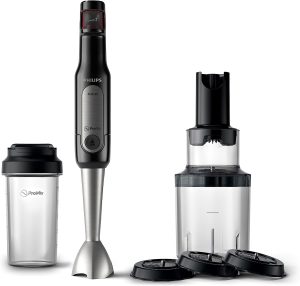
For users who want solid performance without a high price tag, this blender offers excellent value. It handles everyday smoothies, sauces, and light food prep reliably.
Its simple controls and durable build make it a popular budget-friendly choice in many kitchens.
Best for: Beginners and cost-conscious buyers.
Reference for More Details: amazon.com
3: Vitamix Explorian Series – Best for Heavy-Duty Use
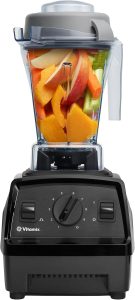
Designed for demanding tasks, this blender is built for heavy-duty blending and food processing. It easily handles nuts, seeds, ice, and thick mixtures with consistent results.
Its durability and long-term performance justify the higher price for serious users.
Best for: Fitness enthusiasts, large families, and frequent use.
Reference for More Details: amazon.com
4: NutriBullet Pro Compact – Best Compact Blender
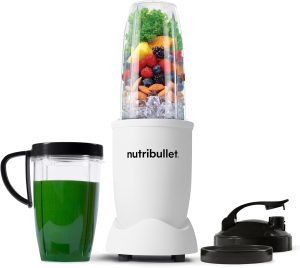
This compact blender focuses on convenience and speed. Nutribullet pro compact is ideal for quick smoothies, protein shakes, and small food prep tasks.
Its space saving design makes it perfect for small kitchens, offices, or travel use.
Best for: Single users and on the go lifestyles.
Reference for More Details: amazon.com
Best Blenders for Smoothies in 2026
Smoothie trends in 2026 focus on nutrition, speed, and texture. A good smoothie blender 2026 should handle leafy greens, frozen fruits, ice, and protein powders without leaving chunks behind. Below are the top smoothie-focused blender categories, explained in a practical, brand-neutral way so you can choose confidently.
Best Blender for Green Smoothies
Green smoothies usually include spinach, kale, celery, seeds, and sometimes fibrous fruits. For these ingredients, the blender must have strong blades and consistent speed control.
The best blenders for green smoothies in 2026 use high-speed motors that break down tough fibers, resulting in a smooth, drinkable texture without bitterness or pulp.
What to look for:
- High RPM motor for leafy greens
- Sharp, multi-angle blades
- Variable speed or pulse control
Ideal for: Health-conscious users, detox smoothies, and daily vegetable blends.
Best Blender for Frozen Fruits & Ice
Frozen fruits and ice cubes require serious power. A weak blender may stall or overheat, but a best blender for ice is designed to crush hard ingredients smoothly and evenly.
In 2026, advanced airflow cooling and reinforced blade systems make ice blending safer and faster.
What to look for:
- Strong motor torque
- Ice-crushing or frozen preset mode
- Thick, durable jar
Ideal for: Smoothie bowls, frozen desserts, and summer drinks.
Best Personal Blender for Protein Shakes
Protein shakes don’t need heavy power, but they do require quick blending and portability. A good protein shake blender mixes powders evenly without clumps and fits easily into a busy lifestyle.
Most personal blenders now come with spill-proof travel cups, making them perfect for gyms, offices, and travel.
What to look for:
- Compact design
- Easy-to-clean blending cup
- Smooth mixing for powders and liquids
Ideal for: Fitness lovers, gym users, and students.
Best Budget Smoothie Blender
A budget-friendly blender doesn’t mean low quality. In 2026, many affordable models offer reliable performance for basic smoothie needs like fruits, milk, yogurt, and soft ice.
These blenders focus on value, simplicity, and durability, making them great for beginners.
What to look for:
- Decent motor power for daily use
- Simple speed controls
- Easy maintenance
Ideal for: Beginners, small families, and users with basic smoothie needs.
Best Blenders for Food Processing Tasks
In 2026, many users prefer a food processor blender that can handle more than just liquids. A well-designed multi-purpose blender can chop, grind, mix, and puree efficiently, reducing the need for multiple kitchen appliances. Below are the best blender use-cases for common kitchen processing blender tasks.
Best Blender for Chopping Vegetables
Chopping vegetables requires control rather than extreme speed. A good blender for this task should offer pulse mode and consistent blade movement to avoid over-blending.
Modern blenders with wide jars and sharp blades can chop onions, carrots, tomatoes, and herbs evenly, saving time during meal preparation.
What to look for:
- Pulse function for better control
- Wide jar design
- Strong, stainless-steel blades
Ideal for: Daily cooking, salads, and meal prep.
Best Blender for Grinding Spices & Nuts
Grinding spices and nuts demands durability and precision. A powerful motor combined with tough blades ensures fine and even results without burning the ingredients.
In 2026, many blenders support dry grinding using dedicated jars or reinforced blade systems, making them suitable for coffee beans, spices, and nuts.
What to look for:
- High-speed motor
- Dry grinding compatibility
- Heat-resistant blade design
Ideal for: Home chefs, spice lovers, and nut-based recipes.
Best Blender for Dough & Batters
Not all blenders can handle thick dough, but advanced multi-purpose blenders now support light dough and batter preparation. These blenders use controlled speed and torque to mix ingredients evenly without straining the motor.
They are especially useful for pancake batter, cake mixtures, and light bread dough.
What to look for:
- Strong motor torque
- Low-speed or variable speed settings
- Thick, durable jar
Ideal for: Baking enthusiasts and home cooks.
Best Blender for Baby Food
Preparing baby food requires smooth texture, hygiene, and safety. A blender designed for baby food should puree fruits, vegetables, and cooked meals evenly without lumps.
Many parents in 2026 prefer blenders that are easy to clean and made from safe, non-toxic materials.
What to look for:
- Fine blending performance
- Easy cleaning and maintenance
- Food-safe materials
Ideal for: Parents preparing fresh, homemade baby meals.
Key Features to Look for in a Blender (Buyer Guide)
Choosing the right blender in 2026 isn’t just about brand names. It’s about understanding the features that directly affect performance, durability, and daily convenience. Below are the most important factors you should evaluate before buying.
Motor Power & RPM
Motor power determines how well a blender handles tough ingredients like ice, nuts, and frozen fruits. While watts indicate strength, RPM (revolutions per minute) shows how fast the blades spin, which directly affects smoothness.
A higher RPM means finer blending and fewer chunks, especially important for smoothies and food processing tasks.
What to aim for:
- Smoothies & light use: Moderate RPM
- Frozen foods & food processing: High RPM with strong torque
Blade Material & Design
Blades are the heart of any blender. Stainless steel blades are the most reliable choice because they resist rust, stay sharp longer, and handle both wet and dry ingredients.
Blade design also matters—multi-angle and layered blades pull ingredients down more effectively, ensuring even blending.
Best choice: Hardened stainless steel with multi-directional design
Jar Size & Material (Glass vs Plastic)
Jar capacity should match your household size. Larger families benefit from bigger jars, while personal users may prefer compact options.
When it comes to material:
- Glass jars are heavier, stain-resistant, and odor-free
- Plastic jars are lighter, shatter-resistant, and often made as BPA-free jars for food safety
In 2026, high-quality BPA-free plastic is widely preferred for durability and safety.
Speed Controls & Smart Programs
Basic blenders offer fixed speeds, while advanced models include variable speed dials, pulse modes, and smart preset programs.
Smart programs automatically adjust speed and time for tasks like smoothies, ice crushing, and soups, making blending easier for beginners.
Helpful features:
- Pulse mode for chopping
- Presets for smoothies and frozen foods
- Variable speed control for precision
Noise Reduction Technology
Powerful blenders can be loud, especially at high speeds. Many modern blenders now include noise reduction technology, such as insulated motor housings and vibration control.
If you live in an apartment or blend early in the morning, noise level can be an important deciding factor.
Tip: Look for blenders labeled as “low-noise” or “quiet operation.”
Cleaning & Maintenance
Easy cleaning saves time and encourages regular use. Some blenders offer self-cleaning modes, where warm water and a drop of detergent clean the jar in seconds.
Detachable blades, dishwasher-safe jars, and simple designs reduce long-term maintenance.
Best practices:
- Rinse immediately after use
- Use self-clean or pulse cleaning method
- Avoid soaking the motor base
Smart & AI Blenders – Kitchen Tech 2026
Blenders in 2026 are no longer just mechanical appliances—they’ve become smart kitchen companions. With AI-powered features, app connectivity, and energy-efficient designs, these blenders make cooking faster, precise, and more convenient. Here’s what to know about the latest innovations.
App-Controlled Blenders
Some modern blenders now connect to smartphone apps via Wi-Fi or Bluetooth. Through these apps, users can:
- Start, stop, or adjust blending remotely
- Track recipes and customize speed or duration
- Receive maintenance reminders
This is perfect for busy households or fitness enthusiasts who want to pre-program smoothies or meal prep while multitasking.
Preset Smoothie & Food Modes
AI-enabled blenders can automatically adjust speed, duration, and blending pattern based on what you’re making.
Common presets in 2026 include:
- Smoothie mode for leafy greens and frozen fruits
- Nut butter or grinding mode for spices and nuts
- Soup mode for hot or cold ingredients
These smart programs ensure consistent results every time, even for beginners, reducing trial-and-error in the kitchen.
Energy Efficient Blenders
With sustainability in focus, many new blenders are designed to consume less electricity without sacrificing performance.
Features like optimized motors, variable speed settings, and eco-friendly materials help reduce energy use while maintaining high-speed blending and smooth results.
Why it matters: Lower energy consumption saves money, reduces heat generation, and is better for the environment a perfect fit for modern homes in 2026.
Common Blender Mistakes to Avoid
Even the best blenders can underperform if used incorrectly. Avoiding common mistakes ensures longer life, better performance, and smoother results. Here are the most frequent pitfalls to watch out for in 2026.
Overloading the Jar
Adding too many ingredients at once is a common mistake. Overloading can:
- Strain the motor
- Prevent blades from blending evenly
- Cause spills or leaks
Tip: Blend in batches for large recipes, and make sure there’s enough space for ingredients to move freely.
Using Low-Power Blenders for Hard Foods
Not all blenders are designed for tough ingredients like ice, frozen fruits, or nuts. Using a low-power blender for these tasks can:
- Burn out the motor
- Leave chunks and uneven texture
- Damage the jar or blades
Tip: Check the wattage and RPM before attempting hard foods, and use a heavy-duty or high-performance blender for tough tasks.
Ignoring Blade Quality
Blades determine blending efficiency and texture. Dull or low-quality blades can:
- Struggle with fibrous vegetables or seeds
- Cause uneven blending
- Wear out faster
Tip: Look for stainless steel, multi-angle, or reinforced blades and maintain them by cleaning and avoiding metal contact or abrasive surfaces.
Pros & Cons of Using a Blender for Food Processing
Blenders are versatile kitchen tools, but they come with both advantages and limitations when used for food processing tasks. Understanding the pros and cons can help you decide if a blender fits your cooking needs.
Pros:
- Multi-purpose functionality – Many modern blenders can handle smoothies, soups, sauces, and light chopping, reducing the need for multiple appliances.
- Time-saving – High-speed motors make tasks like pureeing, grinding, or blending quick and effortless.
- Easy to clean – Most blenders have detachable jars and blades, and some even feature self-cleaning modes.
- Compact design – Compared to traditional food processors, blenders often take up less counter space.
- Smooth texture – Blenders excel at liquefying ingredients, making them ideal for soups, sauces, and smoothies.
Cons:
Not ideal for heavy-duty chopping – Thick dough, large quantities of vegetables, or shredding tasks may require a dedicated food processor.
- Limited precision – Blenders may over-process or unevenly chop certain ingredients.
- Noise – Powerful blenders can be loud, especially at high speeds.
- Cost – High-performance blenders capable of full food processing can be expensive.
- Overheating risk – Using a blender for tasks beyond its capacity may strain the motor.
FAQs: Best Blenders for Smoothie and Food Processing
Can a blender replace a food processor?
Not completely. While some high-performance blenders handle light food processing tasks like chopping vegetables or grinding nuts, a dedicated food processor is better for slicing, shredding, and heavy dough. If your main goal is smoothies, soups, or light prep, a blender can cover most tasks, but for precision processing, a food processor is ideal.
How many watts is good for smoothies?
For smooth and lump-free results:
- 600–800W: Suitable for soft fruits, yogurt, and light smoothies
- 1000–1400W: Ideal for frozen fruits, leafy greens, and ice crushing
Higher wattage ensures faster blending and smoother texture, especially for tough ingredients.
Are expensive blenders worth it?
Yes, if you use them frequently or for tough tasks. Premium blenders offer powerful motors, durable stainless steel blades, smart programs, and longer lifespans. However, if you only make occasional smoothies or light food prep, mid-range or budget blenders can still perform well.
Which blender is best for daily use?
For everyday use, look for a blender that balances power, versatility, and ease of cleaning. Mid-range countertop blenders like the Ninja Professional Plus or compact personal blenders for single servings are popular choices because they handle most daily tasks without taking up too much space.
How long does a good blender last?
A high-quality blender can last 5–10 years or more with proper care. Lifespan depends on:
- Motor quality and usage frequency
- Blade durability
- Cleaning and maintenance habits
Regular cleaning, avoiding overloading, and using the correct settings can significantly extend your blender’s life.
Final Recommendation : Best Blenders for Smoothie and Food Processing
- Single or small household users: Compact personal blender (NutriBullet Pro)
- Families & everyday cooks: Mid-range countertop blender (Ninja Professional Plus)
- Frequent heavy use or professional-style cooking: High-performance blender (Vitamix Explorian Series)
- Tech-savvy users looking for automation: Smart AI blender with app control
In short, the best blender for 2026 is the one that balances performance, durability, convenience, and budget while matching your daily kitchen needs. By understanding the different types, features, and common mistakes, you can confidently pick a blender that makes smoothies, sauces, and food prep effortless and enjoyable.
References:
8 Best Personal Blenders of 2026 – Consumer Reports,
Best Blenders in Every Price Range – Consumer Reports
Journal of Food Science & Technology, 2024
Research on nutrient retention in blended fruits and vegetables, showing that high-speed blenders preserve vitamins and minerals better than low-power models.
International Journal of Food Engineering, 2023
Analysis of multi-purpose blenders versus food processors, focusing on chopping efficiency, motor strain, and blade design.