When you’re buying a cooker, you’ll see many options: gas cookers, electric cookers (ceramic, induction, or solid plate), freestanding models, hybrid options. Choosing the right one means thinking about cost, performance, safety, energy efficiency, and your kitchen setup. Below, I compare gas vs electric cookers, give best electric cookers reviews, show recommended electric cookers, role of best cheap gas and electric cookers under $300, and how to find good cookers for your needs.
What Are Gas vs Electric Cookers?
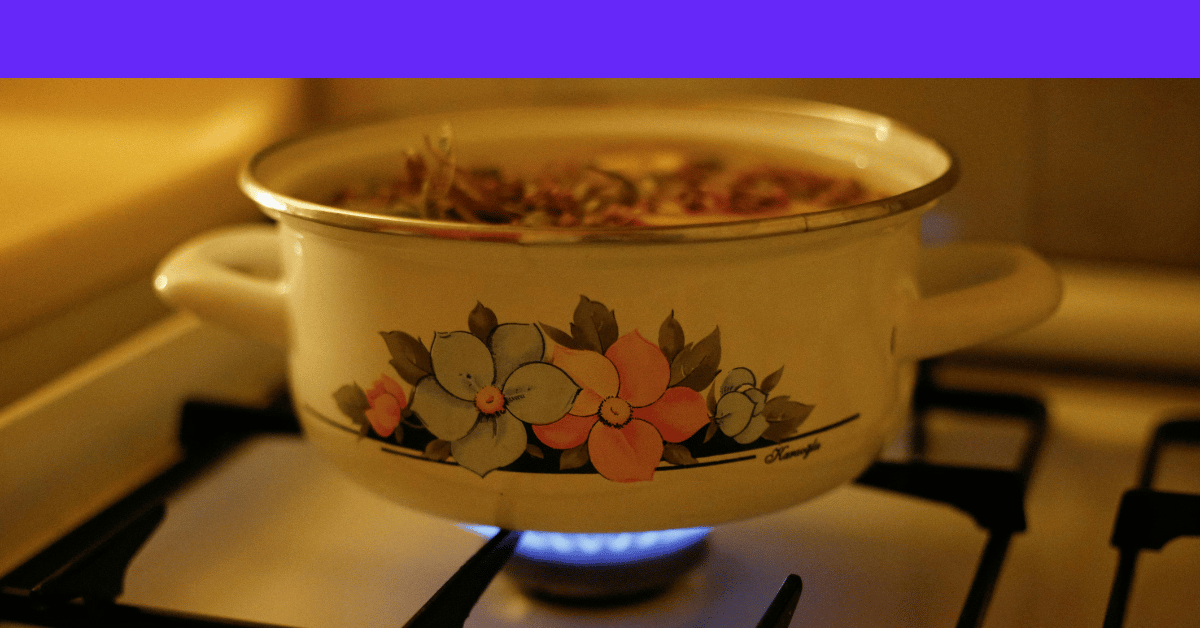
- Gas Cookers: Use natural gas or LPG (propane) to produce flames under burners. They heat by flame in hob burners and often have gas or electric ovens.
- Electric Cookers: Use electricity. The hob might be a solid plate, ceramic/glass hob, or induction. The oven part is electric (heating elements).
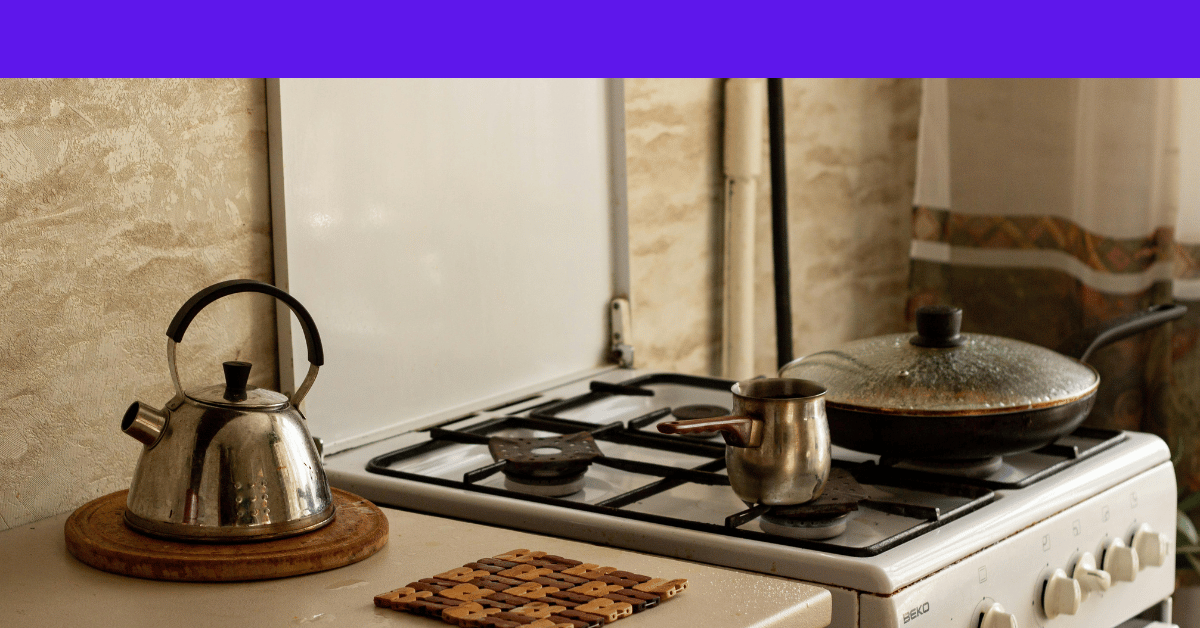
Freestanding cookers are those standalone units that combine hob + oven(s) in one appliance. You’ll find both gas freestanding cookers and electric freestanding cookers.
Comparing Gas vs Electric Cookers
Here’s a helpful side-by-side look at how gas cookers and electric cookers differ in key areas (i.e. compare cookers: gas vs electric):
Factor |
Gas Cookers |
Electric Cookers |
| Heat control / responsiveness | Very fast. You can turn flame up/down instantly. Great for high-heat cooking like searing. | Slower to change temperature, especially with solid plate or ceramic. Induction is much better than the others. |
| Energy efficiency | Often less efficient (some heat lost to air). However, gas is sometimes cheaper per unit of energy where gas is low-cost. | Electric cookers—especially induction or well-designed ceramic ones—tend to be more energy efficient, converting more energy into cooking and less waste. |
| Cost to run | Lower in places where gas is cheap. But installation, ventilation, ongoing maintenance can add cost. | Electricity usually costs more per kWh in many locations, but energy-efficient models can reduce the gap. Repair of electric parts sometimes more expensive. |
| Cooking performance | Good flame control, instant boil. Great for frying, stir-fry, charring. | Electric cookers give steadier heat, better for baking, roasting, simmering, slow cooking. Induction is excellent for quick heating. |
| Safety | Needs gas lines, risk of leaks, requires proper ventilation. Open flame hazard. | No flame. Safer in that aspect. Electric cooktops can be hot, risk of burns, but fewer gas-leak risks. |
| Maintenance / cleaning | More parts like grates, burners; can get dirty and need cleaning. | Smooth tops are easier to clean; electric ovens fewer moving/gas parts; induction surfaces stay cooler which helps. |
| Upfront cost & availability | Gas models sometimes cheaper in some markets; need gas hook-up. | Electric cookers more expensive when induction or more features; but sometimes lower installation cost if power already available. |
Energy Efficient Electric Cookers
If you care about reducing electricity bills and being eco-friendly, electric vs gas cookers comparison often leans in favor of electric models that are designed well.
Why electric cookers can be more efficient
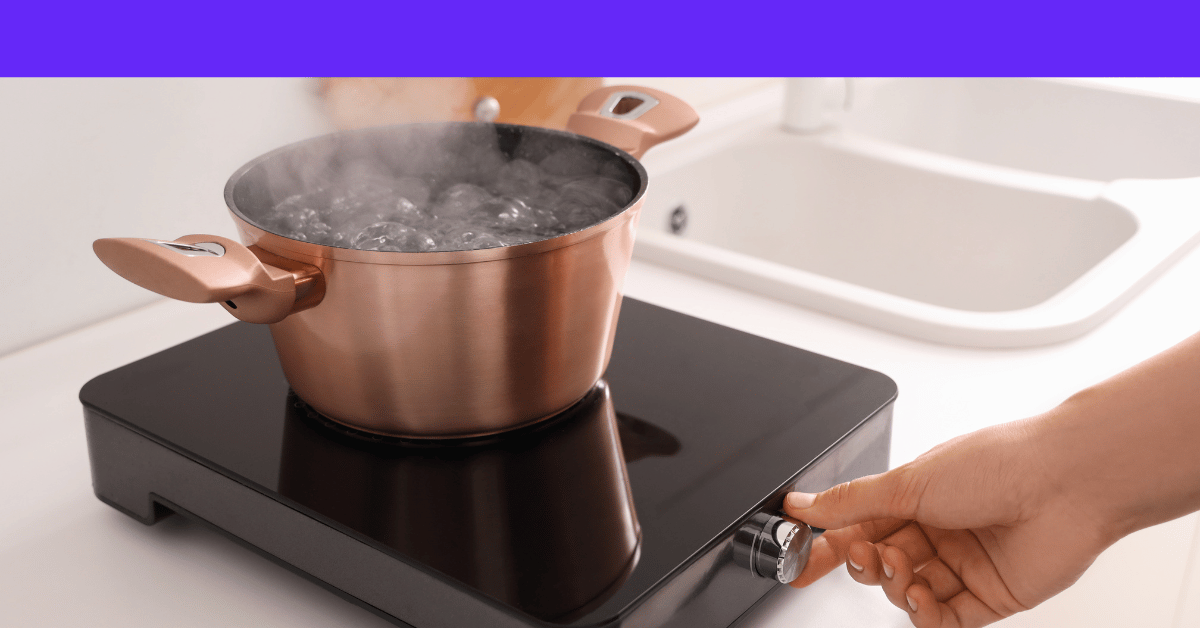
- Induction electric cookers heat the pan directly using magnetic fields, so less wasted heat.
- Electric ovens can have insulation, better seals, fan assistance (convection) that distribute heat more evenly so they can cook at lower temps or shorter times.
- Smooth glass plate or ceramic hobs lose less heat into air than flame burners.
Key features that mark energy efficiency in electric cookers:
- Induction hob or at least ceramic/glass with good power ratings.
- Oven with fan (convection) to circulate heat.
- Good sealing on oven doors.
- Standby/off switches, good insulation.
From Top Electric Cookers 2024 reviews, many “best electric cookers” prioritize energy ratings and lower operating cost.
Recommended Electric Cookers + Best Electric Cookers Reviews
Here are some well-reviewed and reliable electric cookers (and freestanding electric cookers) that tend to perform well. These are from recent “best electric cookers reviews” lists, though availability and exact model names vary depending on your country/region.
Model / Series |
Strengths (Why recommended) |
Potential Downsides |
| Beko Pro XDCS663MT Electric Ceramic Cooker | Good budget electric cooker, ceramic hob, attractive design. Often recommended as top budget model. | Ceramic hob slower to change temperature than induction; surface can scratch if not careful. |
| Stoves Richmond 600E 60cm Electric Cooker | Range style cooker, good size, suitable for medium-to-large kitchens. | Takes more space, larger energy draw if you use all ovens/hobs heavily. |
| Rangemaster PROPL60EI Electric Cooker | Double oven electric cooker, induction hob options; strong performance in reviews. | Higher upfront cost. Maintenance of controls can be more expensive. |
| Montpellier MDC500FS | Mid-price, good capacity, often seen in “good cookers” and “cheap gas and electric cookers” comparisons that balance price vs performance. | Basic features, maybe fewer bells & whistles in cheaper models. |
| Flavel Milano ML61CDS (Budget option) | Value-for-money, four-zone ceramic hob, oven decent size. Good for price-conscious buyers. | Maybe slower heating, shorter lifespan of some components in cheaper units. |
These are “best electric cookers reviews” examples; when you compare cookers, always check local models, warranty, service, spare parts.
Cheap Gas and Electric Cookers: What to Expect
If your budget is tight, you want to buy electric stove and look at cheap gas and electric cookers under $100, here’s what you usually get and what trade-offs are common.
Common trade-offs in cheaper models:
- Less efficient insulation → more heat loss → higher running cost.
- Fewer features (no fan oven, simple knobs instead of digital controllers).
- Lower build quality (cheaper materials, thinner metal).
- Limited warranty or service support.
What a budget cheap electric cooker might still offer:
- Solid basic oven + hob combo.
- Ceramic hob instead of induction (less cost).
- Smaller capacity (helps with lower electricity consumption).
- Simple design, easier to repair parts.
A cheap gas cooker may have cheaper fuel cost depending on local gas price, but the same issues: lower efficiency, more maintenance (cleaning burners, gas valves, possibly leaks). Always balance upfront price vs running cost over years.
Good Cookers: What Makes a Cooker/Stove Good?
When someone searches for good cookers, or when you compare cookers and decide, these are things to look for:
- Efficiency — How much energy/fuel it uses vs how much cooking output you get.
- Temperature Control — Precise control over heat, steady oven temps.
- Hob Type — Induction > ceramic/glass > solid plate for ease and speed. Gas hob > solid electric for flame control (if you like that).
- Oven Features — Fan/convection, grill, multiple oven cavities, good door seal.
- Build & Durability — Good materials, strong hinges, durable surface, quality knobs or digital controls make the stove and cooker long last.
- Safety — Auto shut-off, flame failure device (for gas), good electrical safety, ventilation.
- Price + Running Cost — Even if the cooker is cheap, high electricity/gas bills or maintenance can make it expensive over time.
- Before & After Service — Spare parts, warranty, local repair support.
Electric vs Gas Cookers Freestanding: Key Considerations
When you are considering gas electric cookers freestanding (i.e. cookers that combine gas burners with electric ovens or vice versa, or freestanding units fully electric or gas), here are things to consider:
- Kitchen fuel availability: Do you already have a gas line? If not, installing gas might cost more. If electricity supply is reliable and affordable, electric freestanding cookers might be simpler.
- Ventilation: Gas produces combustion by-products like CO₂, NO₂; electric produce less indoor pollution (except in manufacturing of electricity). Proper hood / ventilator is necessary.
- Flexibility: Freestanding cookers usually give you both hob and oven. Some models are dual fuel (gas hob + electric oven) to balance advantages.
- Space & Design: Freestanding units are large and need clear space around, adequate width; electric hobs tend to be flush with countertops; gas cooktops have grates.
- Safety & Operation Cost: Evaluate electricity rates vs gas rates in your area. In many regions, electricity is more expensive, making running cost of electric vs gas cookers higher even if efficiency is good.
Electric vs Gas Cookers: Detailed Pros & Cons
Below, a more in-depth pros & cons list to help you decide which fits your cooking style best (i.e. electric vs gas cookers as search keyword):
Pros of Electric Cookers
- Even and consistent heating, especially in the oven; good for baking and roasting.
- Very easy to clean electric stove (smooth tops, glass/ceramic) compared to gas grates.
- Safer with no flame; less risk of gas leaks.
- Can use features like timers, precise digital controls, self-cleaning ovens in some models.
- Many energy efficient designs; induction models are particularly efficient.
Cons of Electric Cookers
- Slower to heat up (except induction), slower response when changing temperature.
- Higher electricity cost in many places.
- If power goes out, you can’t cook.
- Replacement parts (electric elements, sensors) may be more expensive.
Pros of Gas Cookers
- Excellent heat responsiveness; flame gives instant feedback.
- Often cheaper fuel cost if gas is locally cheap.
- Many cooks prefer taste/flame cooking for stir-fry, grill-marks, etc.
Cons of Gas Cookers
- Need proper venting and gas connections; more installation cost.
- More maintenance required (cleaning burners, ensuring flame lines)
- Open flame safety concerns, indoor air pollution.
- Less efficient in some cases (heat lost around the pot, etc.).
Cooking Techniques Compared: Gas vs Electric Stoves
Discover how gas and electric stoves perform across different cooking methods and which suits your style best.
Baking, Roasting & Broiling
Electric ovens excel at even heat distribution, making them reliable for consistent bakes and roasts. Gas ovens, on the other hand, can deliver moisture that’s useful for preventing dishes like bread or poultry from drying out.
Searing Meats and Vegetables
Both stove types can achieve a restaurant-style sear, though gas stoves respond faster to temperature changes, while electric stoves provide steadier heat once hot.
Stir-Fry and Quick Sautéing
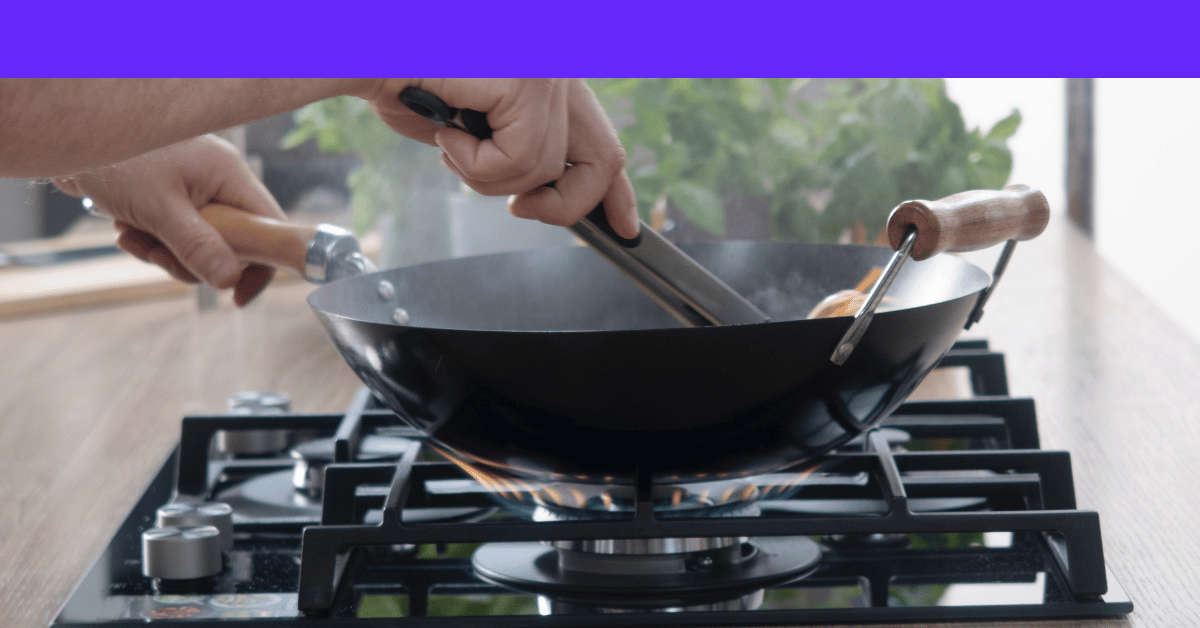
Gas burners shine here, as the open flame allows you to toss food around and heat the sides of a wok or sauté pan. Electric stoves, especially induction, can still handle stir-fry but lack that signature flame interaction.
Simmering Soups and Stews
Gas stoves offer quick adjustments to move from boiling to simmering, but electric cooktops hold steady low heat well—ideal for long braises or delicate sauces.
Boiling Water or Pasta
Gas flames heat quickly, but modern electric stoves (induction especially) are often just as fast and sometimes more energy-efficient at reaching and holding a rolling boil.
Steaming Vegetables and Seafood
Both gas and electric can generate the steam you need, but electric ovens with steam-assist features give you extra control for moist, tender results.
Energy Efficiency: How Much Difference?
Energy efficiency is not just a buzzword; it has real effect on electricity bills and environmental impact.
- Induction electric cookers can convert ~84% (or more) of electricity into usable cooking heat. Other electric hob types are lower.
- Gas cookers often lose more energy to surroundings (air, unburnt gas) and may only deliver ~40-50% efficiency in heat to your pot/oven.
- Also, electric cookers with fan ovens or convection features can cook at lower temperatures or shorter times than conventional ovens, cutting energy use.
So if you use your cooker a lot, investing in energy efficient electric cookers pays off over months/years.
How to Choose the Right Cooker for You
Putting it all together, here’s what you should do before buying:
- Check your utility costs in your region: electricity vs gas.
- Check infrastructure: Do you already have a gas line? Is electricity stable and enough load?
- Decide what kind of cooking you do most: Fast heat? Baking? Roasting? Simmering?
- Feature wish list: Induction hob / ceramic hob? Dual fuel? Oven size? Number of ovens? Grill? Self-cleaning?
- Space & installation: Size of cooker, ventilation, safety.
- Price + warranty: Upfront cost + expected running cost + service availability.
- Look up reviews: “best electric cookers reviews”, “good cookers”, “compare cookers” to see what other users say.
Gas vs Electric Stove: 5 Reasons Why It’s Time to Make the Switch
https://www.youtube.com/watch?v=Dx0OsXQXnHs
For Getting More information Read:
Can I Use Stainless Steel Pans on an Electric Stove?
Can Pellet Stoves Run Without Electricity?
Does Pellet Stoves Use a Lot of Electricity?
Do Electric Stoves Emit Carbon Monoxide?
FAQs: Gas vs Electric Cookers
Here are some frequently asked questions about gas vs electric cookers:
-
Which is cheaper to run: gas or electric cooker?
Depends on your local prices. Electric cookers may be more efficient but if electricity unit cost is high, running cost can still be high. Gas tends to be cheaper where gas infrastructure and supply are good. Reference: Gas Cookers Vs Electric Cookers – Which? article shows that running cost depends on energy price in location.
-
Are electric cookers safer than gas cookers?
Generally, yes. No open flame reduces fire risk; no gas leak risk. But electric cookers must still be handled safely (hot surfaces, electrical safety). Ventilation still matters for gas cookers.
-
What is a freestanding cooker?
A freestanding cooker is a unit that combines hob and oven(s) in one appliance, usually standing on the floor. You can get freestanding gas cookers, freestanding electric cookers, or dual fuel. They’re easier to install but take up entire space.
-
Do energy efficient electric cookers really save money?
Yes, especially if you cook often. Features like induction, good insulation, fan ovens help reduce energy usage. Over time savings on electricity bills can outweigh extra upfront cost.
-
Can cheap cookers be a bad investment?
If they are very basic, they may consume more energy, have weaker ovens/hobs, need repairs sooner, or be less efficient. But if used lightly, they can serve well as a budget option.
-
Is induction better than traditional electric hob?
Yes, induction tends to heat faster, be more energy efficient, and safer (surface stays cooler). But it requires compatible cookware.
Both gas and electric cookers have their place. If you want quick heat, flame control, and your local gas supply is cheap, a gas cooker might suit you. But if you want cleaner operation, safer use, even cooking, and energy efficiency, going with an electric cooker—especially a modern, energy-efficient one—might be the smarter long-term choice.
Use the list of best electric cookers reviews above to narrow good cookers. Focus on features and running cost, not just upfront price. Even cheap cookers can work well if you understand the trade-offs. When you buy a cooker that fits your cooking style, you’ll cook better, save energy, and likely enjoy more in the kitchen.
References:
- Cooking Update – Gas vs Electric Cooking: Which Is Better?
cookingupdate.com - Which? UK – Gas Cookers vs Electric Cookers
which.co.uk - Real Simple – Gas vs Electric Stoves: Pros and Cons
realsimple.com - Expert Reviews – Best Electric Cookers 2024
expertreviews.co.uk - Cooker Base – Top Electric Cookers
cookerbase.com - Elevating Kitchen – Which Electric Cooker Is Best?
elevatingkitchen.c